Every agency you talk to will say they're the right fit for your practice. Here's what actually separates a good one from a risky bet.
01 · Proof, not a pitch deck
Industry experience with proof you can click
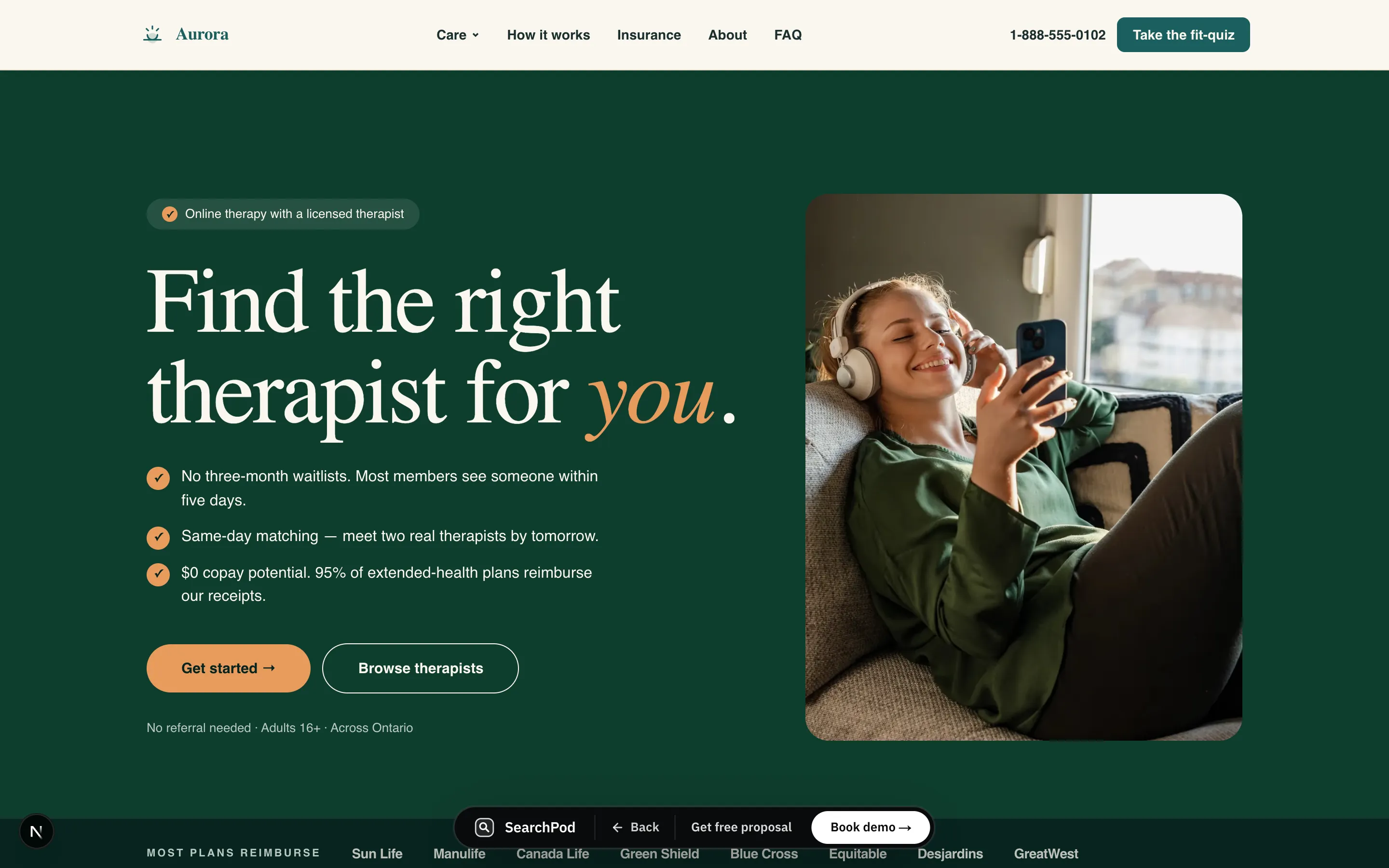
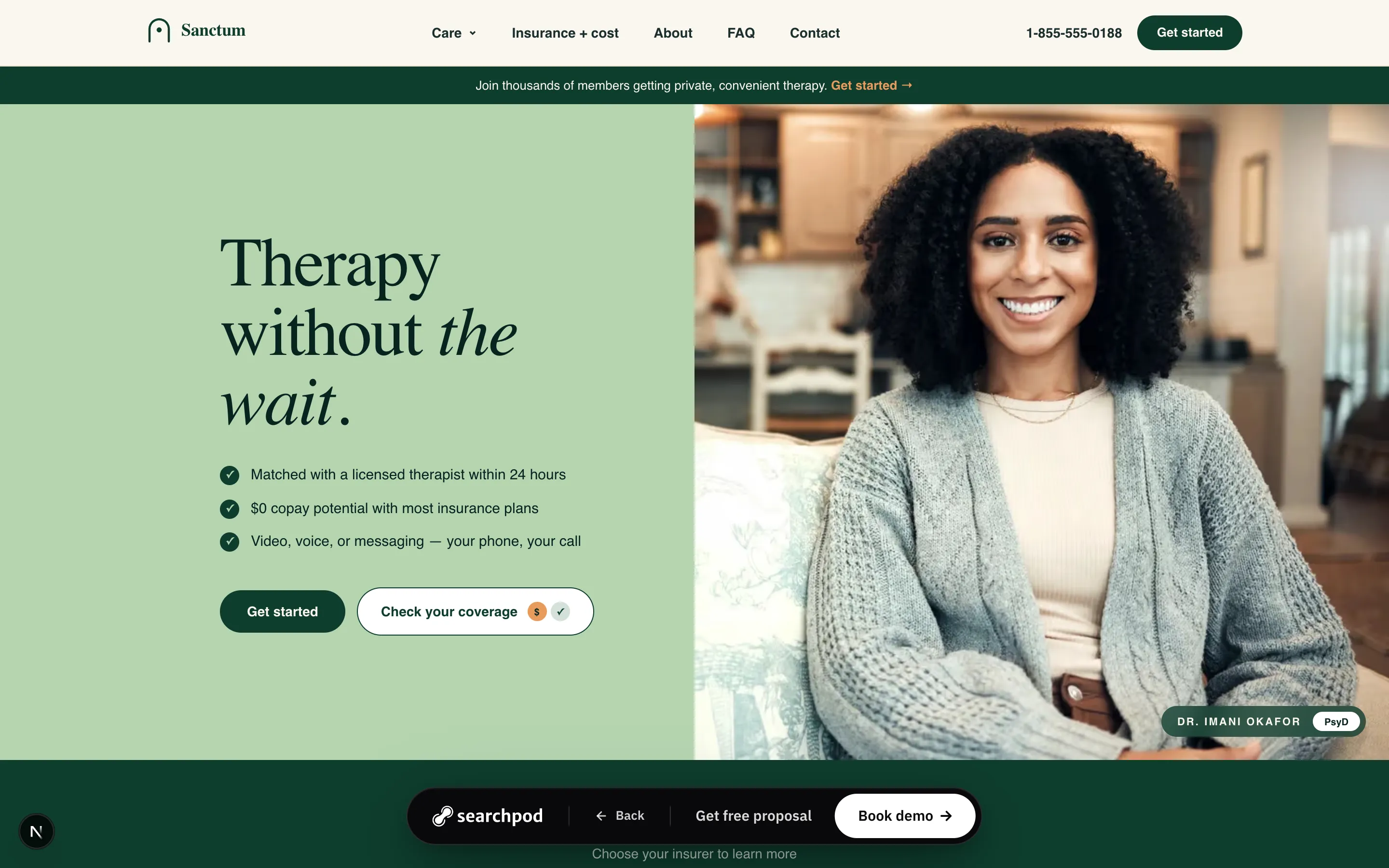
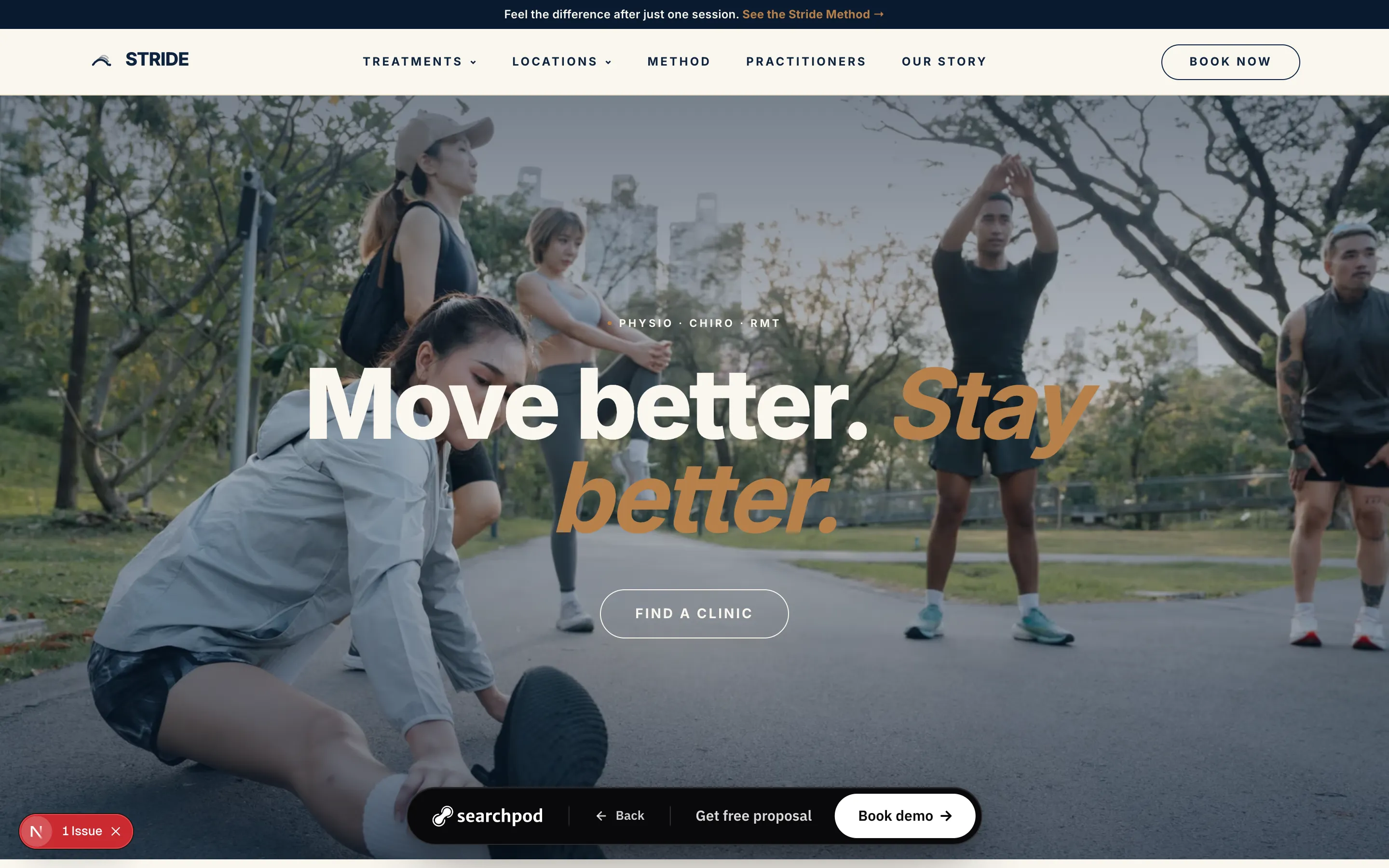
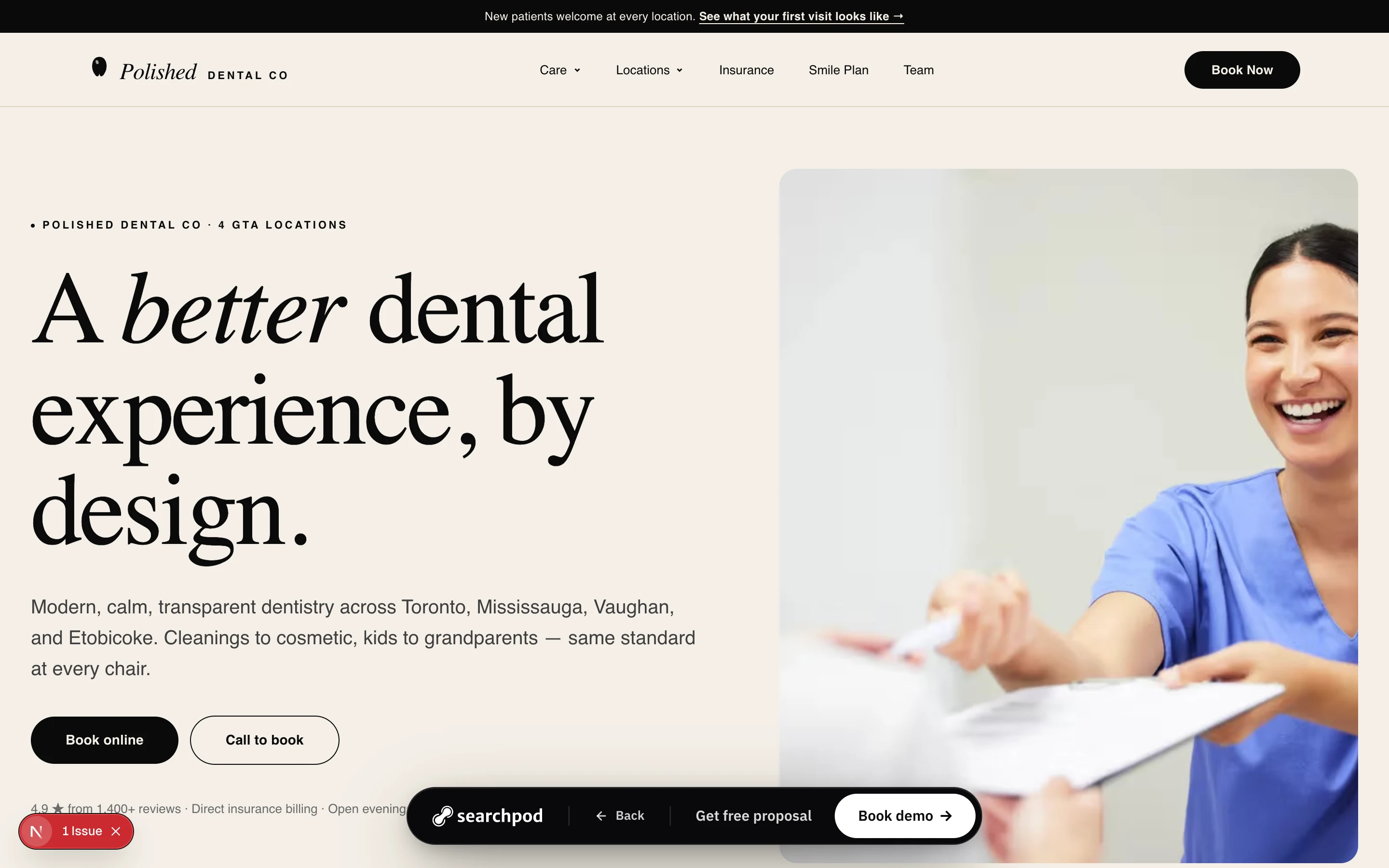
Healthcare marketing isn't like marketing a restaurant or a law firm. Campaigns have to work around PHI, ad platforms that restrict health-related targeting, and specialties that convert in completely different ways: a dermatology practice and an urgent care clinic aren't chasing the same searches. Ask any agency to show you real healthcare sites and campaigns they've built, not screenshots borrowed from a different industry. Our healthcare demos are public and built by specialty, not one template reused for every client.
See real healthcare sites
02 · Get it in writing
Transparent, published pricing
Plenty of healthcare marketing agencies quote a custom number after a sales call and won't put the fee structure in writing until you sign. That makes it hard to know if you're paying a fair rate for your specialty and market size. Ask upfront: what percentage of ad spend goes to management, whether SEO is billed by the page or the hour, and whether there's a setup fee. Our pricing is published on every service page, no sales call required.
See our pricing
03 · Read before you sign
No long-term contracts
Patient volume shifts with the seasons (flu season for urgent care, back-to-school physicals for pediatrics), providers join and leave, and insurance panels change. A 12-month contract locks you into a plan built for conditions that might not exist by month six. Ask what it actually takes to leave: a form, a call, or a lawyer. We run month-to-month, so if the work isn't earning its keep, you can walk away with notice, not a cancellation clause.
04 · Numbers your front desk can read
Reporting you can actually understand
A common trick in healthcare marketing reports: counting every form submission and phone click as a "lead," even the ones that never turned into a booked appointment. That inflates the results on paper while your schedule stays half empty. Ask to see a sample report before you sign, and confirm it tracks actual bookings, by provider and by location, not just clicks. We track booked appointments, not form fills, on a live dashboard you can check any morning.
05 · Who holds the keys
Ownership of your accounts and data
Some agencies build your Google Ads account, your Google Business Profile, and your website under their own login, not yours. Switch agencies later and you start over: new accounts, lost review history, a Business Profile disconnected from your practice's past. Ask, in plain terms, who legally owns the ad accounts, the analytics, the domain, and the site before you sign anything. Everything we build lives on your domain and your accounts. If you ever leave, the whole system leaves with you, patient data included, because it was never in our systems to begin with.