E-commerce marketing isn't the same job as marketing a local shop or a B2B firm — it runs on product feeds, checkout flows, and repeat-purchase math that a generalist agency often hasn't touched. Here's what to check before you hand over your ad accounts.
01 · Ask to see it, not hear about it
Real e-commerce experience, not general marketing experience
Running Shopping feeds, fixing checkout drop-off, and optimizing PDPs are a different skill set than running social ads or local SEO. Ask any agency to show you live stores they built or manage today — not screenshots in a slide deck. If they can't click through to a real product page or a real feed they've touched, keep looking.
- Ask to see live stores they run today, not case-study screenshots
- Ask which platforms they've actually worked in — Shopify, WooCommerce, BigCommerce
- Ask who touches your product feed and how often
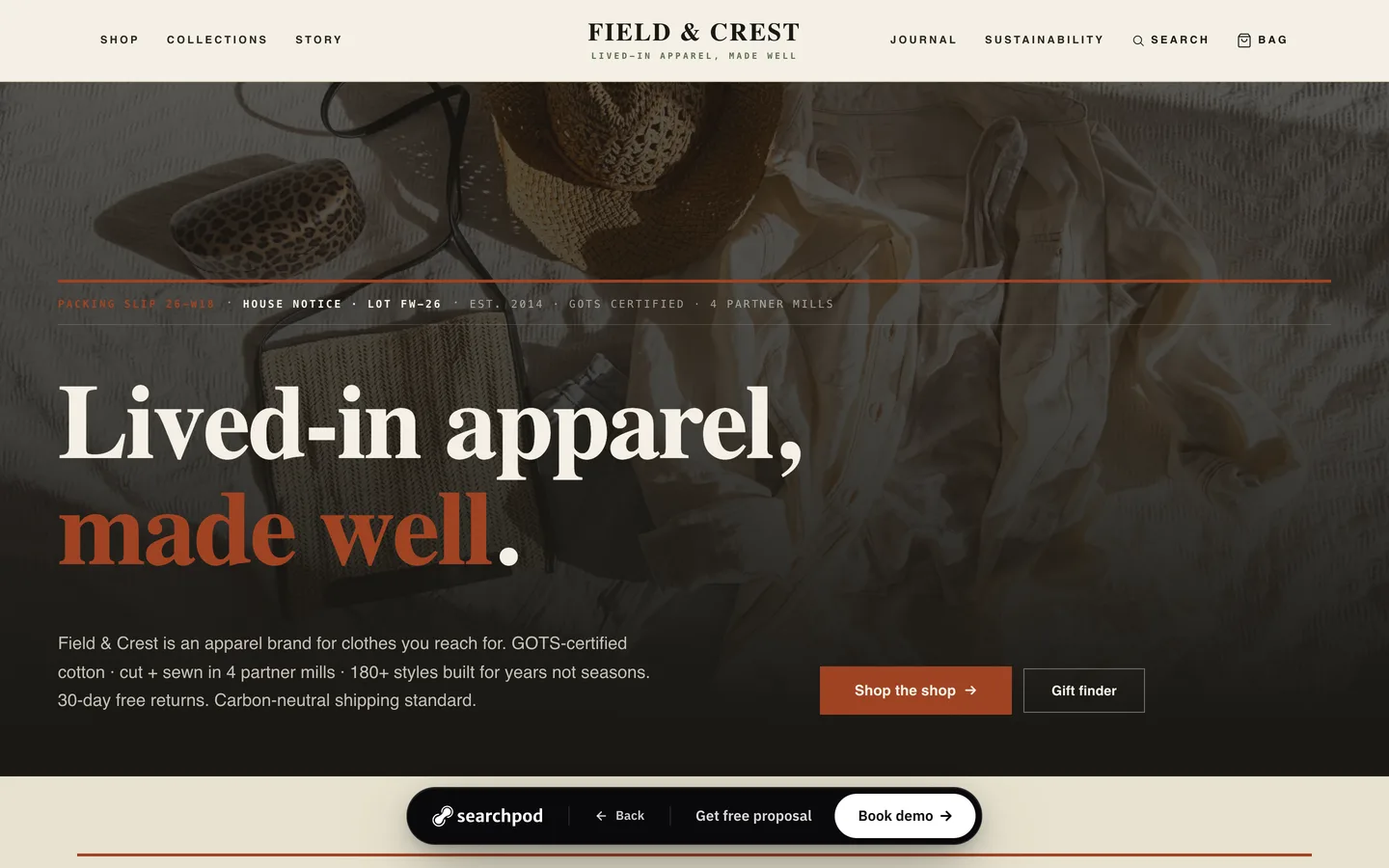
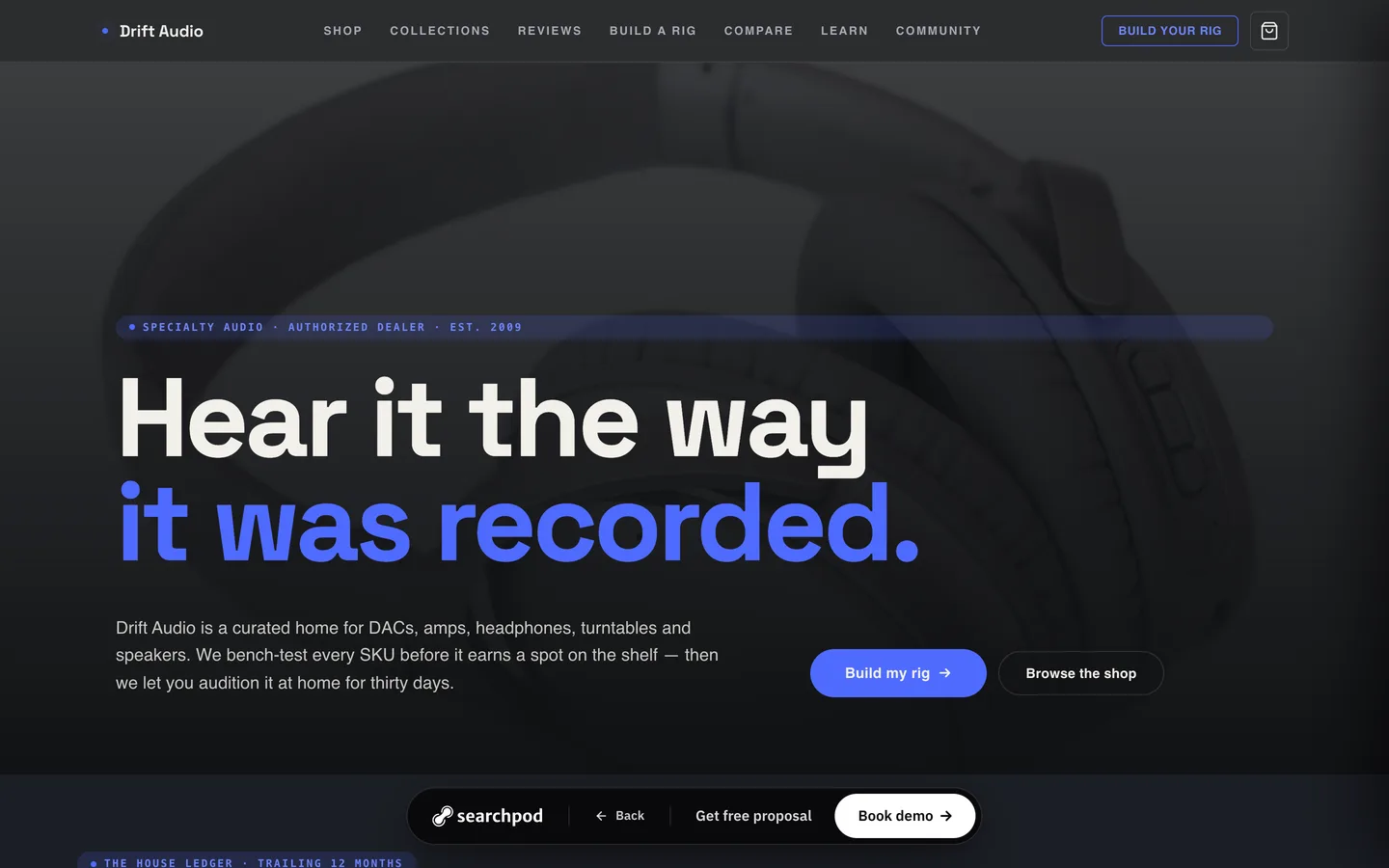
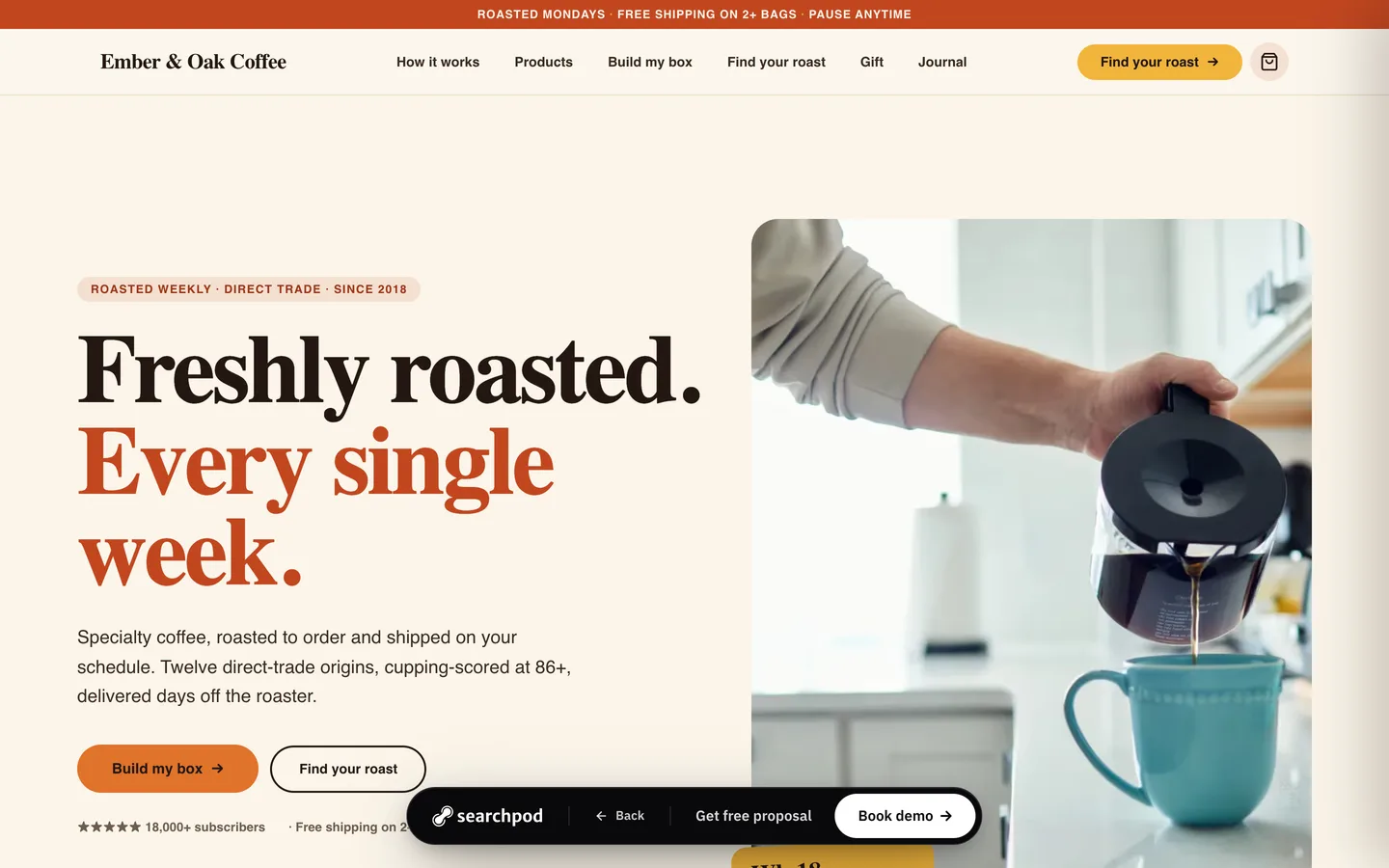
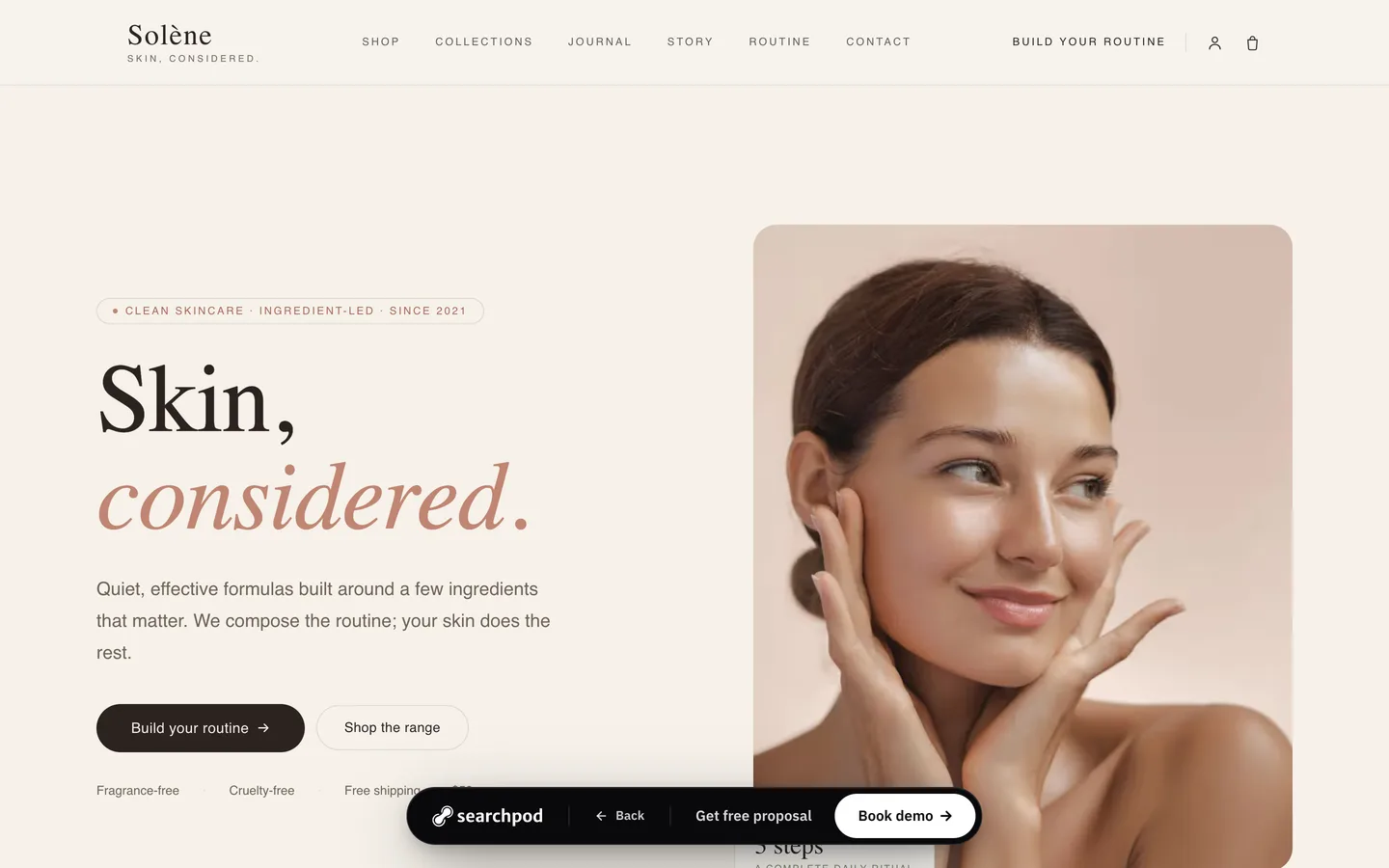
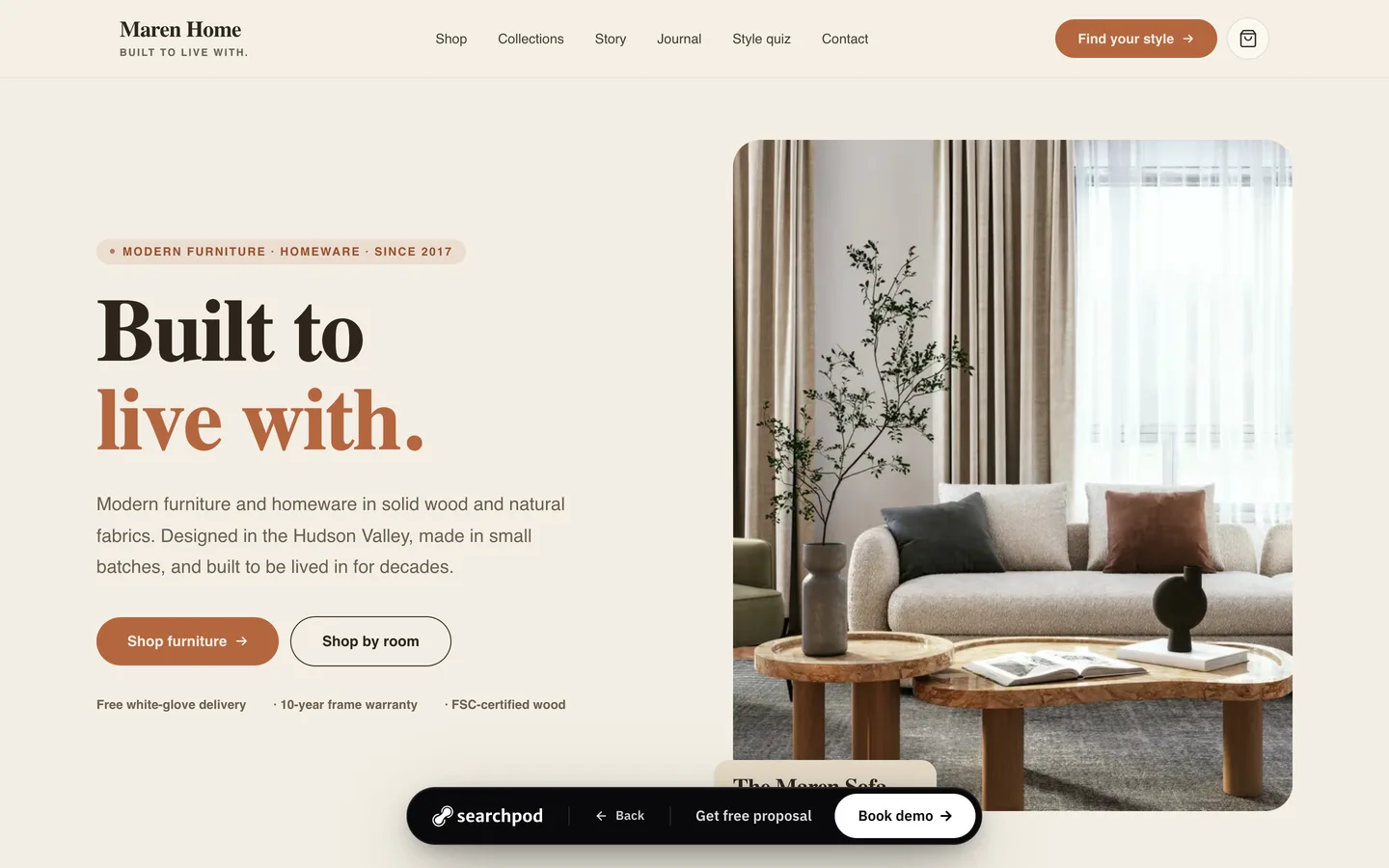
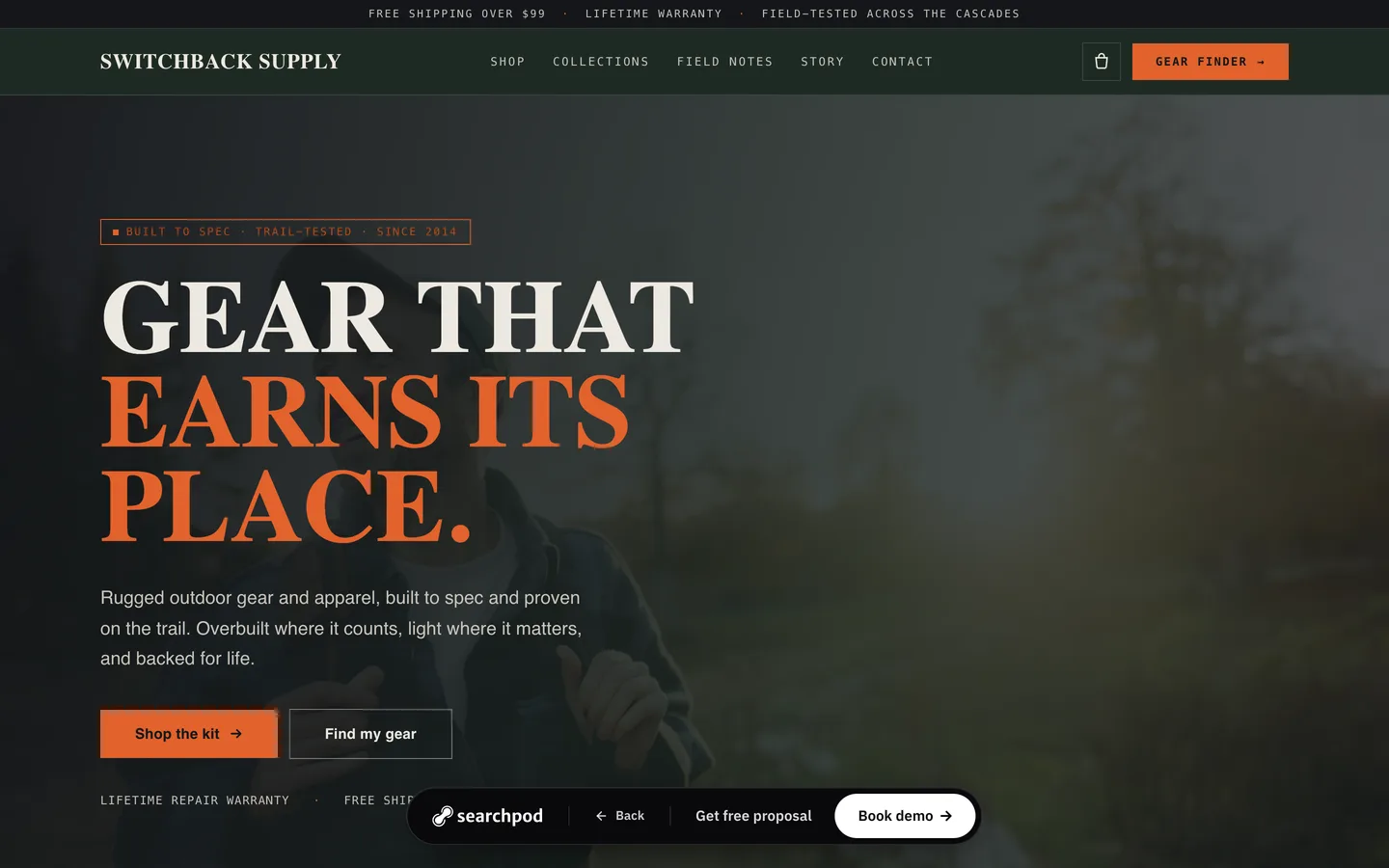
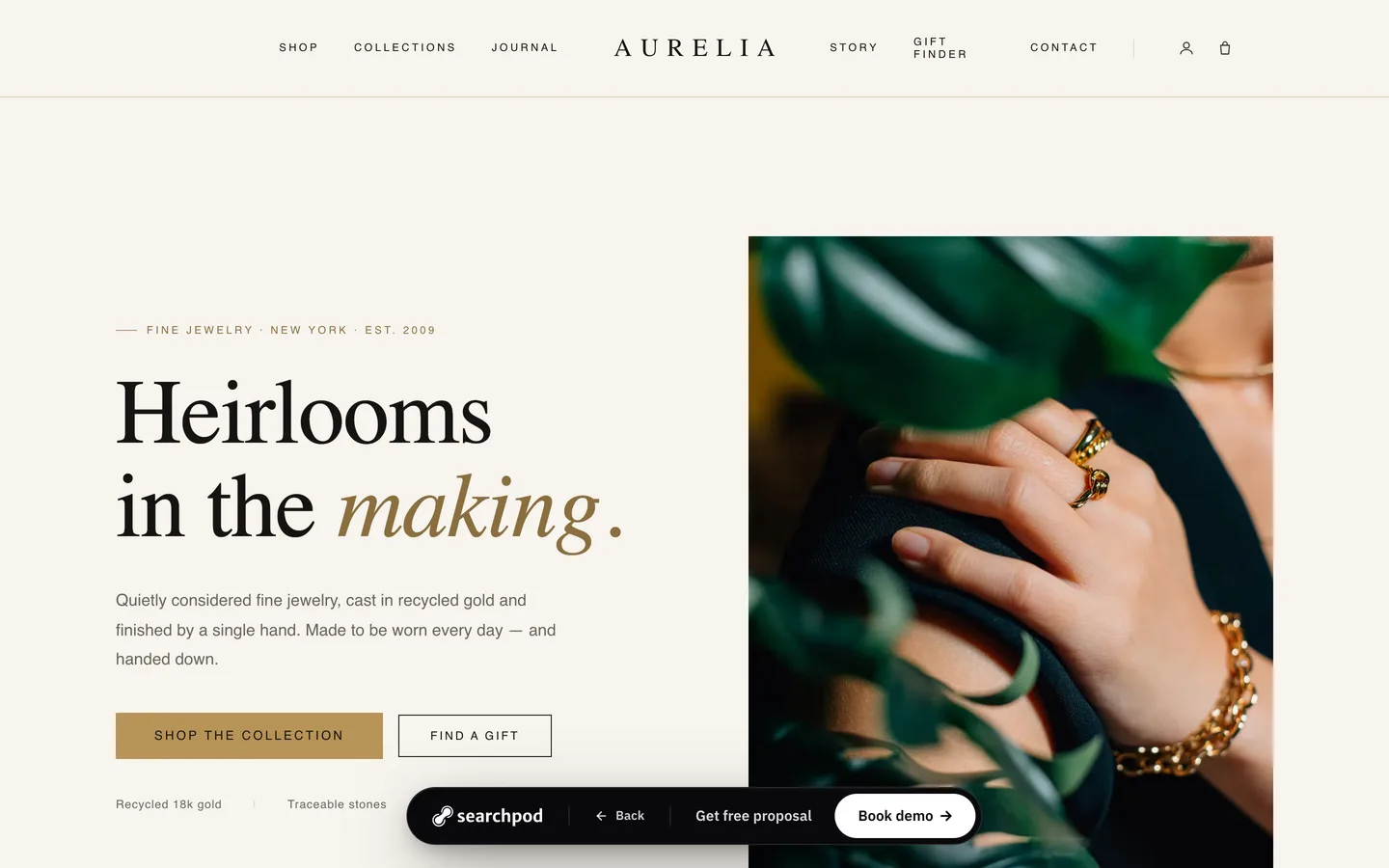
See seven e-commerce store directions
02 · Watch how they get paid
A pricing model that isn't fighting your margins
A lot of e-commerce agencies charge a percentage of your ad spend. That means the more you spend, the more they earn — whether or not your margin actually improves. Get the exact fee in writing before you sign. SearchPod charges a flat 10% of your monthly ad budget with a $600/mo minimum, and never marks up the media itself — your budget goes to Google in full.
03 · Protect your busiest season
No long-term contract
E-commerce revenue is seasonal — BFCM, holiday, back-to-school. Signing a 12-month contract before you know whether their tracking and feed work actually converts is a real risk if it doesn't hold up during your busiest weeks. Ask what happens if you want out in month two. SearchPod runs month-to-month with a 30-day guarantee: if the first 30 days don't show real work and results, that month is free.
04 · After the cookie
Reporting you can actually read
Since iOS privacy changes and cookie loss, the ROAS a platform reports on its own is often inflated or missing purchases unless an agency has server-side tracking in place. Ask to see a real dashboard, not a curated PDF at month-end, and ask specifically how they measure conversions today. SearchPod runs server-side tagging and enhanced conversions so the numbers you see match what actually happened.
05 · Check before, not after
Ownership of your store, your feed, and your ad accounts
Some agencies build custom themes or apps, or run ads inside accounts they control — which locks you in if you ever want to leave. Before signing, get it in writing who owns the theme code, the product feed setup, the ad accounts, and the email/SMS flows. SearchPod builds on the platform you already own — Shopify, WooCommerce, BigCommerce, or custom — with no proprietary lock-in.